



Fiji With Kids: Your Complete Family Travel Introduction
Fiji With Kids: Your Complete Family Travel Introduction
There are destinations that look beautiful in photographs, and then there are places that genuinely make families slow down, reconnect and experience something completely different together. Fiji falls firmly into the second category.
Scattered across the South Pacific, Fiji is a collection of more than 300 islands where turquoise lagoons, swaying coconut palms and vibrant coral reefs create the postcard-perfect scenery most travellers imagine. Yet what makes Fiji truly memorable isn’t the beaches—it’s the people.
Known worldwide for its warmth and hospitality, Fiji welcomes families with an easy-going atmosphere that immediately feels relaxed and child-friendly. Whether you’re introducing your children to snorkelling for the first time, exploring colourful local markets, or sharing stories with villagers over a traditional meal, Fiji offers experiences that go far beyond a typical tropical holiday.
A Brief Look at Fiji’s History
The story of Fiji began thousands of years ago when seafaring peoples settled the islands and established thriving communities throughout the archipelago. Over centuries, unique customs, languages and traditions developed across the islands.
European explorers arrived much later, followed by traders, missionaries and colonial administrators. Fiji became part of the British Empire in the late nineteenth century before eventually gaining independence in 1970.
Today, Fiji’s identity reflects a fascinating blend of Indigenous iTaukei heritage and Indo-Fijian influences, creating a multicultural society that visitors can experience through its food, festivals, religions and daily life.
Understanding Fijian Culture
One of the most rewarding aspects of travelling in Fiji is experiencing its culture firsthand.
Community and family remain at the heart of Fijian life. Respect for elders, strong family connections and a genuine sense of togetherness are deeply valued throughout the country.
Visitors will quickly become familiar with the word “Bula,” a greeting that carries a sense of warmth, friendship and goodwill. You’ll hear it everywhere—from airport arrivals to resort staff and local shopkeepers.
Traditional ceremonies, music, dance and storytelling continue to play an important role in many communities. For children, Fiji provides a wonderful opportunity to learn about a culture that remains proudly connected to its roots while embracing the modern world.
What Food Should Families Try?
Food in Fiji reflects the country’s diverse cultural background, combining fresh island ingredients with flavours from across the Pacific and South Asia.
Kokoda
One of Fiji’s most famous dishes, kokoda features fresh fish marinated in citrus juices and mixed with creamy coconut milk. It’s light, refreshing and perfectly suited to the tropical climate.
Lovo Feast
A lovo is less a meal and more an experience. Food is wrapped and cooked underground using heated stones, resulting in smoky, tender meats and vegetables that are often served during celebrations and cultural events.
Fresh Tropical Fruits
Mangoes, papayas, pineapples, bananas and coconuts are abundant throughout Fiji. Children often enjoy sampling fruits picked locally and served at their peak freshness.
Roti and Curry
Thanks to Fiji’s significant Indo-Fijian community, excellent curries, dhal dishes and freshly made roti are found throughout the country.
Cassava and Taro
These traditional root vegetables remain important staples and are commonly served alongside fish, meat and vegetable dishes.
Families travelling with younger children will also find plenty of familiar dining options in resorts and larger towns.
Helpful Fijian Words and Phrases
Learning a few local phrases is a great way to connect with people during your trip.
| English | Fijian |
|---|---|
| Hello / Welcome | Bula |
| Thank you | Vinaka |
| Good morning | Yadra |
| Goodbye | Moce |
| Yes | Io |
| No | Sega |
| Please | Yalo vinaka |
| How are you? | O sa bula? |
Even a simple “Vinaka” after receiving help is always appreciated.
Visa and Entry Requirements
For many international visitors, entering Fiji is straightforward.
Travellers from Australia, New Zealand, the United Kingdom, the United States, Canada and numerous European countries can typically enter Fiji without obtaining a tourist visa beforehand for short stays.
Visitors should ensure they have:
- A valid passport
- A return or onward ticket
- Sufficient funds for their stay
As entry requirements can change, it is always wise to confirm the latest information before travelling.
When Is the Best Time to Visit Fiji?
Fiji enjoys warm temperatures throughout the year, making it an attractive destination in every season.
May to October: Dry Season
This is generally considered the most popular time to visit.
Expect comfortable temperatures, lower humidity, plenty of sunshine and ideal conditions for outdoor activities such as snorkelling, island hopping and hiking.
April and November: Shoulder Season
These months often provide an excellent balance between favourable weather and fewer visitors. Families may also find better accommodation availability and value during these periods.
November to April: Wet Season
The wet season brings warmer temperatures, lush green landscapes and occasional tropical downpours.
Rain usually arrives in short bursts rather than lasting all day, although weather patterns can vary significantly.
Cyclone Season
Tropical cyclones are possible during the warmer months, particularly between January and March. While severe weather does not occur every year, travellers should monitor forecasts if visiting during this period.
Discover Nadi
For most visitors, Nadi is their first introduction to Fiji.
Located on the western side of the main island, Nadi serves as the country’s primary international gateway and a convenient base for exploring nearby islands, beaches and attractions.
Beyond the airport, travellers will find bustling markets, cultural sites, waterfront dining and easy access to some of Fiji’s most popular family resorts.
Many visitors use Nadi as a launching point for island adventures, but spending a few days here offers a worthwhile glimpse into everyday Fijian life.
Discover Suva
While many travellers head directly for the islands, Fiji’s capital city offers a completely different perspective on the country.
Suva is the political, economic and cultural centre of Fiji, providing an opportunity to experience local life beyond the resort environment.
Families can explore museums, waterfront areas, public parks, food markets and historic buildings while gaining a deeper understanding of Fiji’s diverse communities and modern identity.
For travellers interested in culture, history and authentic local experiences, Suva often becomes one of Fiji’s most surprising highlights.
Why Families Love Fiji
Fiji combines everything many parents look for in a family holiday: beautiful scenery, welcoming people, safe environments, outdoor adventure and opportunities for meaningful cultural experiences.
Whether your children are spotting colourful fish on a coral reef, learning their first Fijian words, tasting tropical fruit straight from the source or simply building sandcastles on a quiet beach, Fiji offers the kind of memories that stay with families long after the holiday ends.
For many travellers, Fiji isn’t just another tropical destination—it’s often the place that sparks a lifelong love of exploring the South Pacific.
Nadi
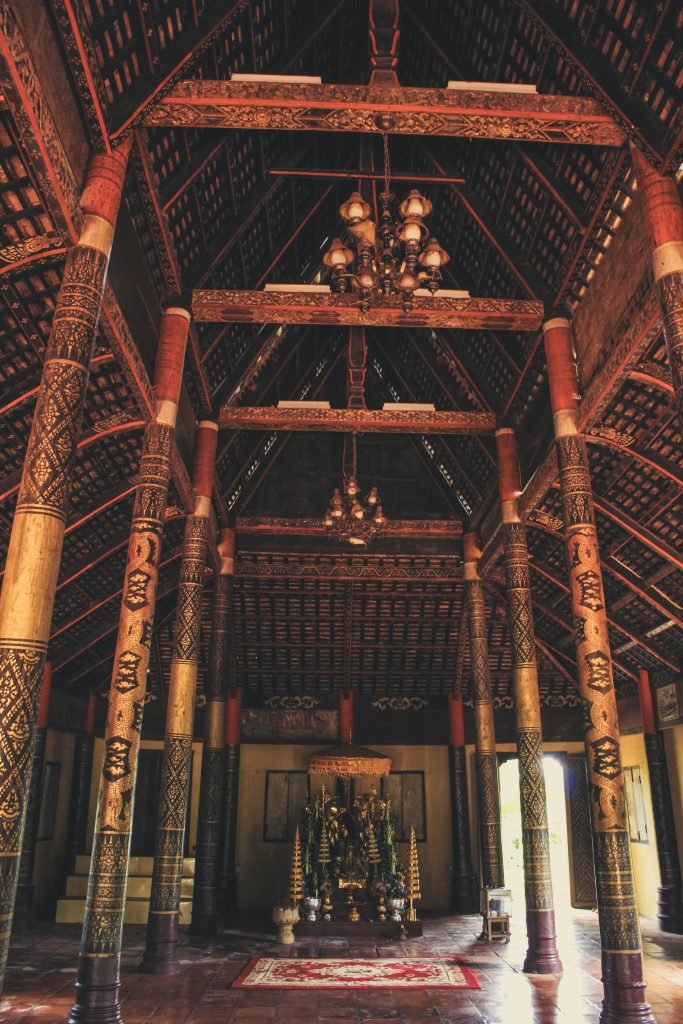
Beyond the airport, travellers will find bustling markets, cultural sites, waterfront dining and easy access to some of Fiji’s most popular family resorts
Suva
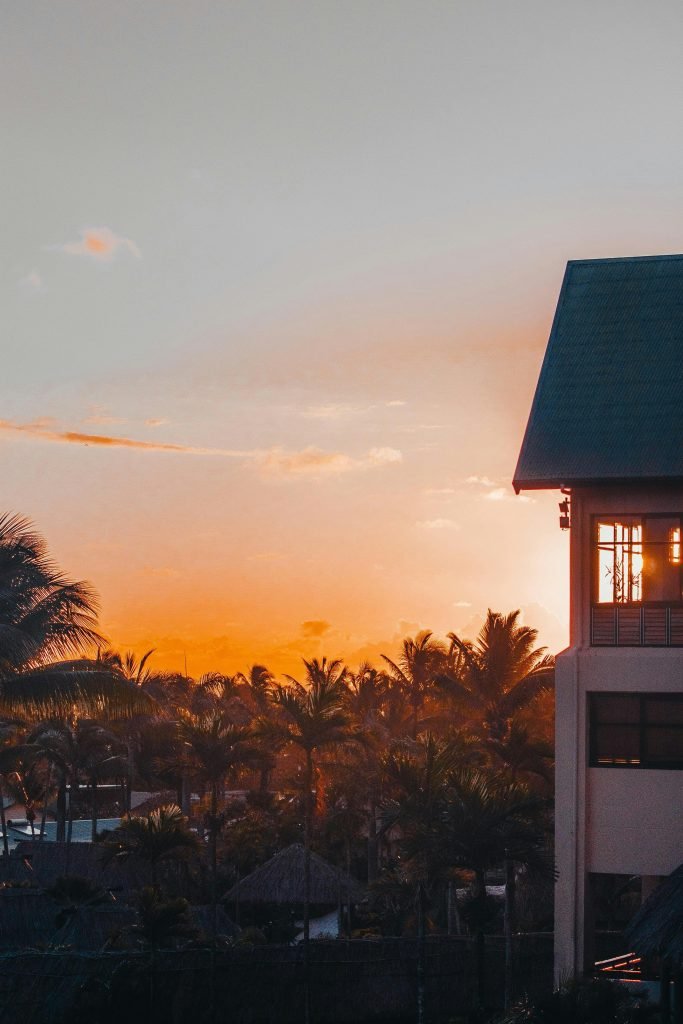
Suva is the political, economic and cultural centre of Fiji, providing an opportunity to experience local life beyond the resort environment.